
SD-WAN for Small Business: Plain English, No Jargon
SD-WAN stands for "Software-Defined Wide Area Network." Skip the jargon. This guide explains what it actually does, when you need it, and why your business might benefit.
Check Your OptionsDefinition
SD-WAN is just smart internet
Standard network: You have one internet connection. If the pipe is slow or broken, everything waits or fails.
SD-WAN network: You have multiple internet connections (4G, Starlink, fibre, whatever). Software in a router chooses the best pipe for each type of data. Video calls use the low-latency pipe. File uploads use the high-bandwidth pipe. If one pipe breaks, data switches automatically.
That's SD-WAN. Software decides which connection to use — not human config, not trial and error.

Example
Real example: the farm with two networks
The Setup
Starlink: up to 250Mbps down, 10-15Mbps up, 40ms latency — sometimes drops in rain
4G/5G cellular: 80Mbps down, 50Mbps up, 25ms latency — never drops
Without SD-WAN
Use Starlink: Fast downloads, but EPOS tills fail during rain
Use 4G/5G: More reliable, but slower uploads for CCTV backup
You choose one. You compromise.
With SD-WAN Bonding
EPOS → 4G/5G (low latency, no rain issues)
CCTV → Starlink (higher upload) with 4G failover
If Starlink drops: everything routes through 4G. Zero downtime.
Comparison
The two types of SD-WAN: Load Balancing vs Bonding
Load Balancing (Standard)
Split traffic between connections. Connection 1 handles some traffic, Connection 2 handles other traffic. Like two lanes on a highway.
Example: Video call on Connection 1, file upload on Connection 2. Both happen simultaneously.
Bottleneck: A single large file uses one connection only. Even though Connection 2 is free, the file doesn't use it.
Perfect for: Small business with varied workloads.
Bonding (Premium)
Fuse all connections into one logical pipe. A single file upload uses all available bandwidth from both connections simultaneously.
Example: Video call + file upload on bonded bandwidth (100+50Mbps = 150Mbps total).
Advantage: Single-stream performance is fully aggregated. One person uploading gets full bonded bandwidth.
Perfect for: Heavy cloud use, VPN users, concentrated bandwidth needs.


Context
Cellular SD-WAN vs Enterprise SD-WAN
Cellular SD-WAN (what we offer): Bonding multiple 4G/5G connections. £110-400/month. 50-350Mbps. Installed in 14 days. For rural SMEs, small shops, temporary sites, offices without fibre.
Enterprise SD-WAN: Bonding MPLS, broadband, cellular, fibre across multiple sites with enterprise routers. £1,000s/month. Weeks of planning and configuration. For multi-site enterprises, hospitals, retail chains.
They're philosophically similar but operationally different. When a salesperson says "SD-WAN," clarify: Cellular SD-WAN is for you. Enterprise SD-WAN is overkill.
"Most small businesses don't need enterprise SD-WAN. They need two reliable connections that automatically fail over. That's cellular SD-WAN — simpler, cheaper, and installed in days."
Integra Networks — Connectivity Team
Assessment
Do you actually need SD-WAN?
Don't Need It If
You have fibre and it works reliably
You have one stable 4G connection
Your property has leased line availability
Downtime doesn't cost you money
Do Need It If
Your connection is unreliable (Starlink alone, weak 4G)
You need automatic failover (EPOS, CCTV, VoIP)
You need better upload speeds than any single connection
You want all connections active simultaneously
Nice-to-Have If
You want maximum performance from your connectivity
You're planning to scale and want future-proof architecture
Remote staff need multiple simultaneous video calls

Examples
SD-WAN in practice: three real scenarios
Starlink + 4G Cellular
Rural Farm
Farm has Starlink (customer buys it). We layer 4G cellular via SD-WAN. Load balancing. Both connections active.
Starlink gives speed, cellular gives reliability. EPOS works even during rain. CCTV backups complete successfully.
£180/month
Pure Cellular
Construction Site
Temporary site, 6 months only. No Starlink (overkill). Just dual 4G bonded from different carriers.
200Mbps download, works everywhere the site operates. Equipment redeploys to next site at no extra cost.
£110/month
Pure Cellular, Premium
Small Office
Multiple staff, heavy cloud use, VPN users doing design work. Needs guaranteed VPN speed. Bonding required.
2 × 4G bonded (250Mbps), 5 staff VPN users all feel full speed. Latency consistent.
£400/month
Technical
Why bonding works (the technical bit, still plain English)
How a Standard Router Works
Router has two SIM cards. Software creates a routing table: one destination uses one connection. Speeds max at whichever is slower.
How Bonding Works
Router creates a virtual tunnel using both connections. Data is split into chunks: Chunk 1 → Connection A, Chunk 2 → Connection B. Reassembled at destination. Speeds approach sum of both.
Transparent Failover
If Connection A drops, remaining chunks route through Connection B. Application never knew one connection failed. Critical for EPOS, VoIP, VPN.
FAQs
Frequently Asked Questions
Ready to assess your connectivity needs?
Our team can evaluate your current situation and recommend whether SD-WAN makes sense for your business.
More Stories
Explore Other Case Studies
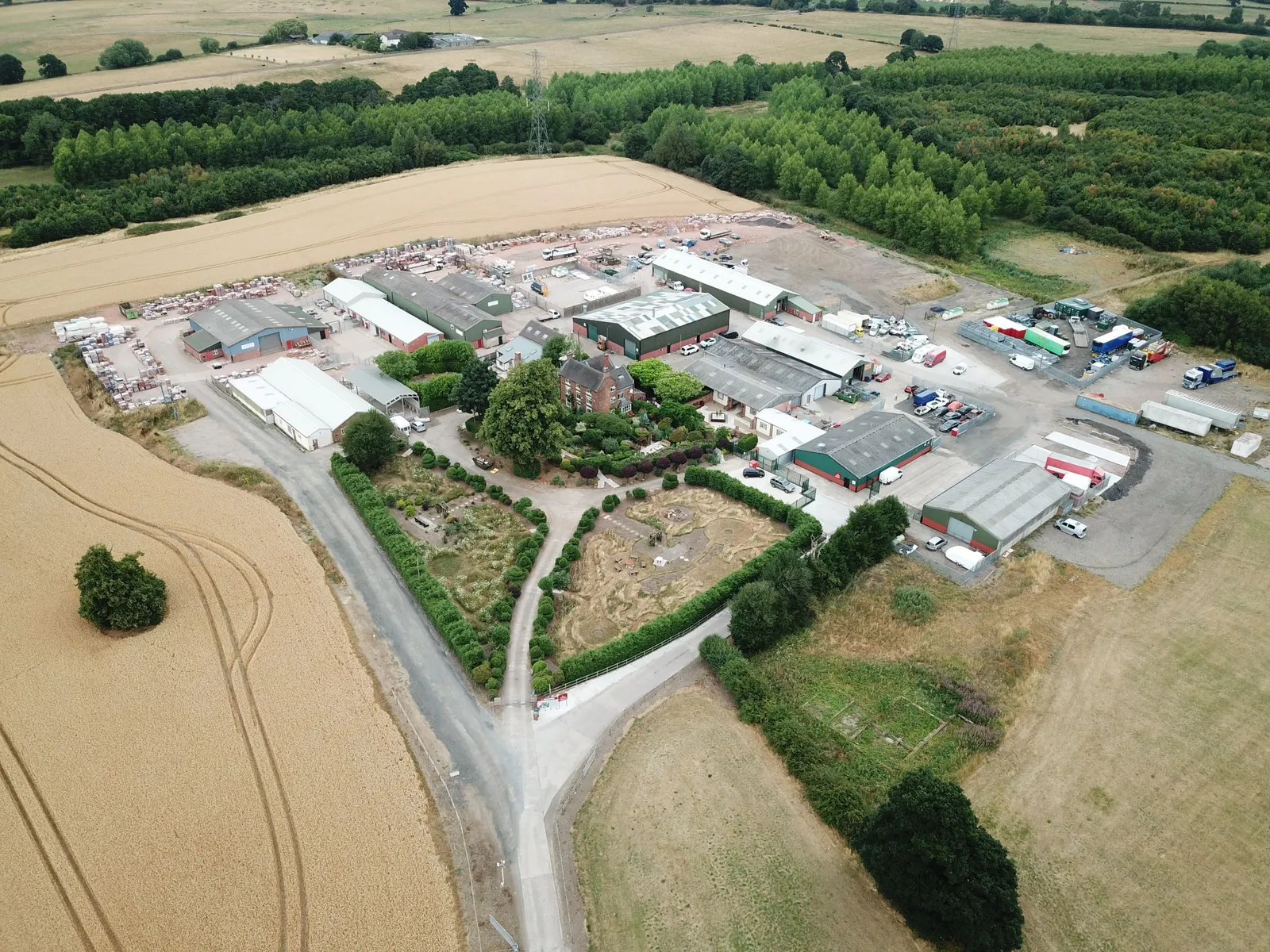
Royle Farm Business Park
From Farm to Fibre: Royle Farm Business Park
Read Story
WRSA Steam Rally Festival
Steam at Scale: 500Mbps for 8,000 Visitors
Read Story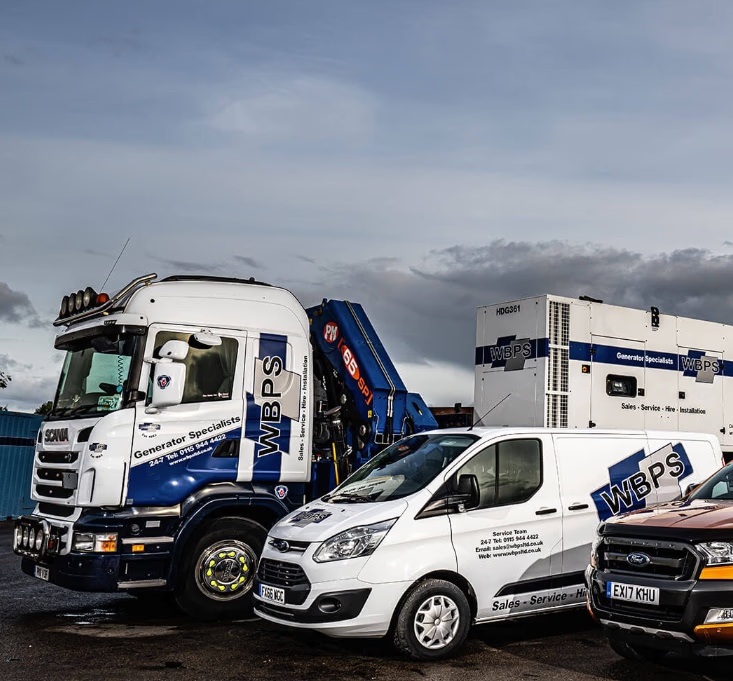
WB Power Services
Dodging the £50K Bill: SD-WAN at Chorley Depot
Read Story
McGee Construction
Building at Speed: 350Mbps for London's Biggest Sites
Read Story
Little Quarry Glamping
Luxury Pods, Real Internet: Little Quarry's Breakthrough
Read Story
Carbee Ltd
From 0.1Mbps to 300+: Rural Car Dealer Gets High-Speed
Read Story
Royal Harwich Yacht Club
Full Sail: 300Mbps in the Middle of Nowhere
Read Story
UKHarvest
Food Rescue Needs Fast Internet: UKHarvest's Win
Read Story
Thinking Anglers
YouTube Creators Need Upload Speed: They Got It
Read Story
Atura Proteins
Plant Proteins Powered by Real Connectivity
Read Story
APJ European
A Warehouse in a Digital Blackspot: Solved
Read Story
Seacon Group